When most people think of a Dalmatian, they picture the classic white dog with black spots. But behind those spots lies a fascinating world of genetics that determines whether a Dalmatian will be black, liver, tri-colored, lemon, orange, or even sable. Understanding Dalmatian coat color comes down to how pigment genes interact—and why white is actually the absence of color.
The Basics: White and Spots
The Dalmatian’s coat is primarily white, but the white is not pigment—it’s the absence of it. The true pigment is found in the spots, which is why the color of the spots determines the dog’s variety.
Standard Colors: Black and Liver
The Dalmatian standard recognizes two primary colors:
- Black-spotted Dalmatians
- Liver (chocolate)-spotted Dalmatians

Black Dalmatian
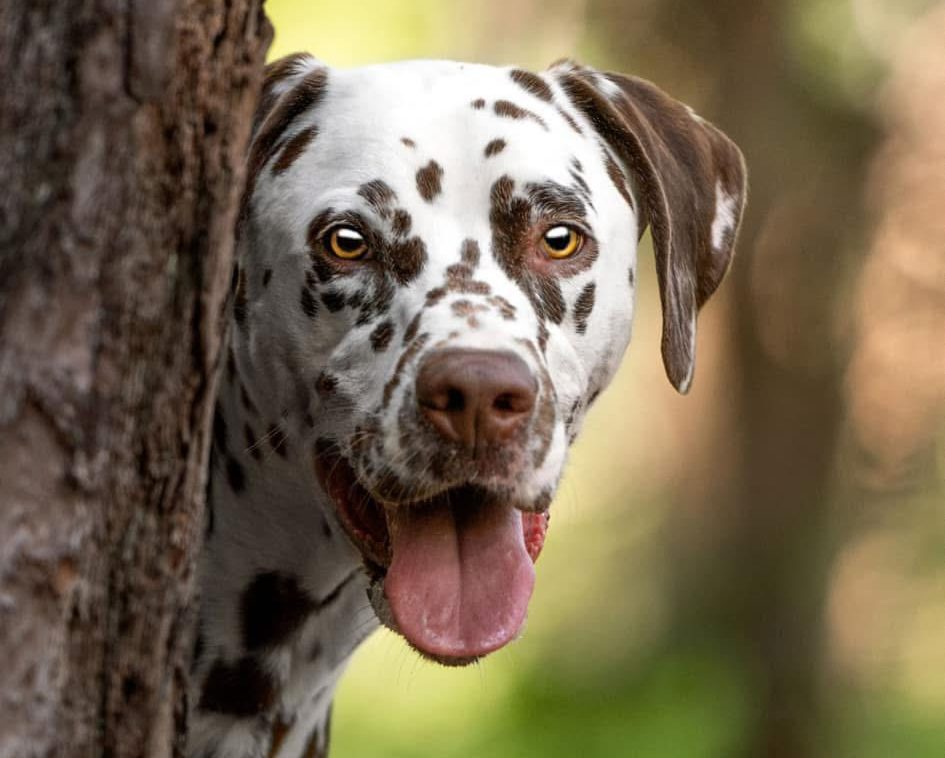
Liver Dalmatian
Beyond the Standard: Off-Standard Colors
Genetics doesn’t stop at black and liver. Other loci can influence color expression and allow less common variations to appear.
Tri-Colored Dalmatians
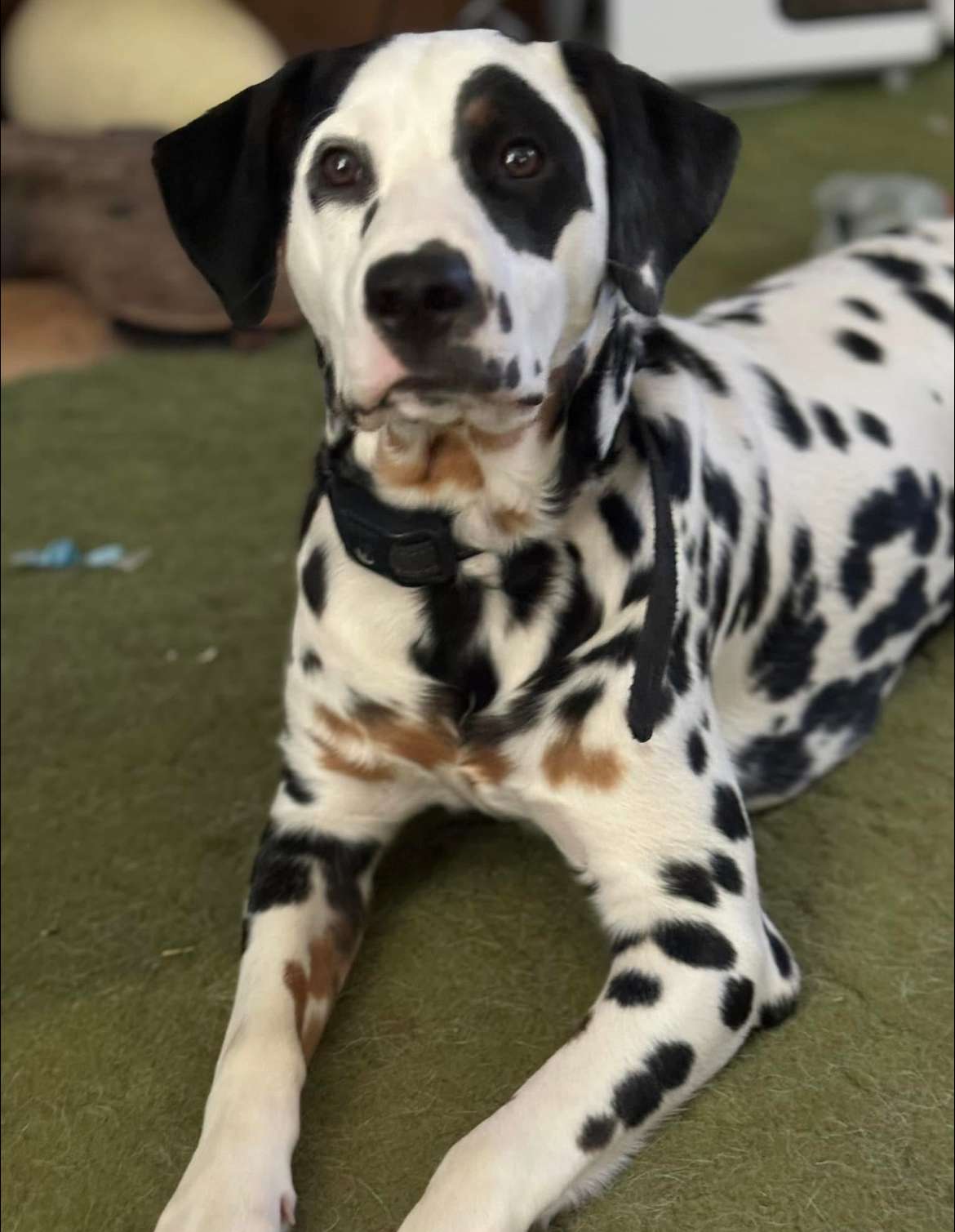
Tri-Colored Black Dalmatian

Tri-Colored Liver Dalmatian
Lemon & Orange Dalmatians

Lemon Dalmatian

Orange Dalmatian
Sable Dalmatians
This color is a yellow tan that looks a bit like an ombre, ranging from light tan to a deep orange.
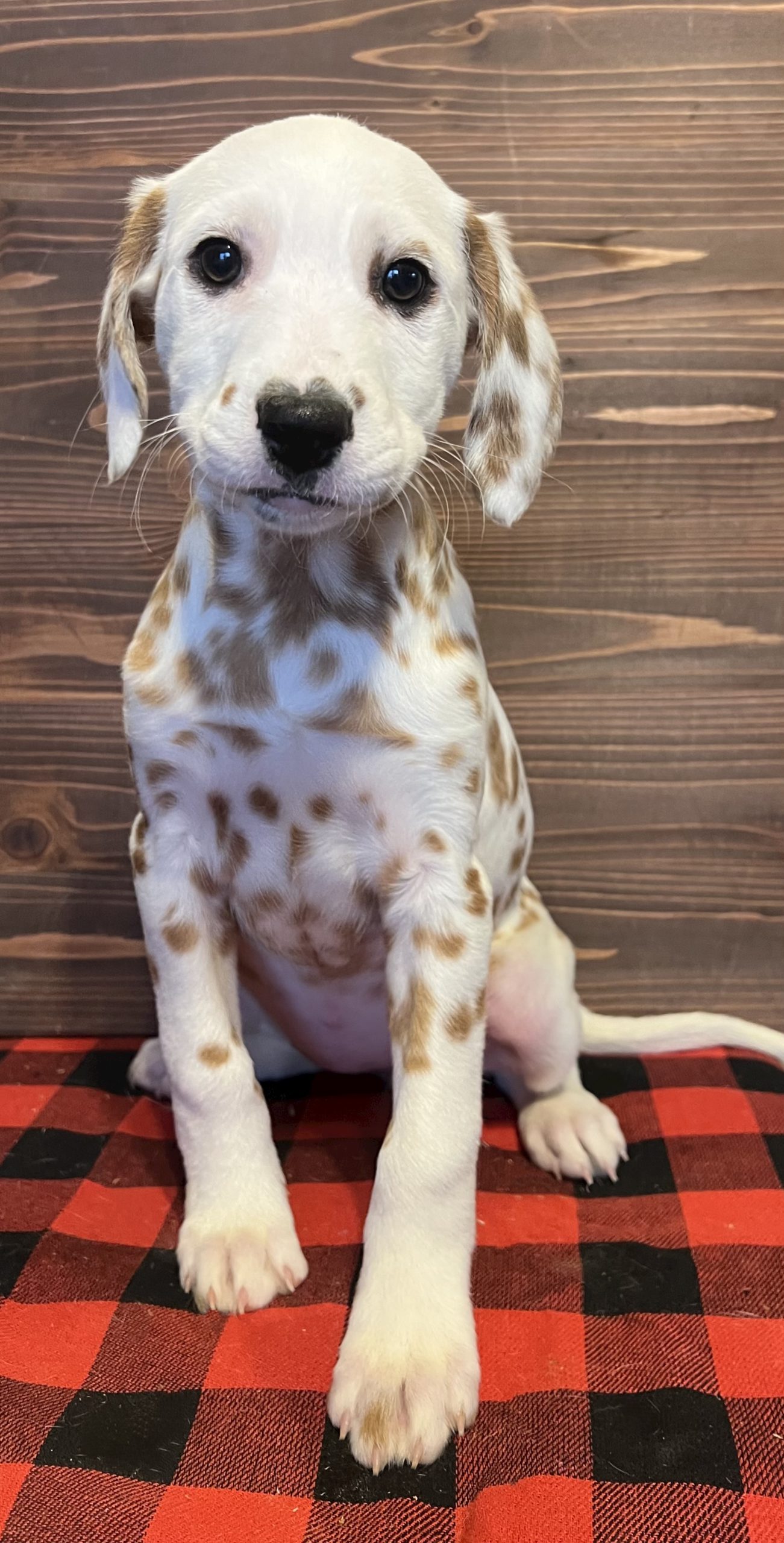
Sable Dalmatian
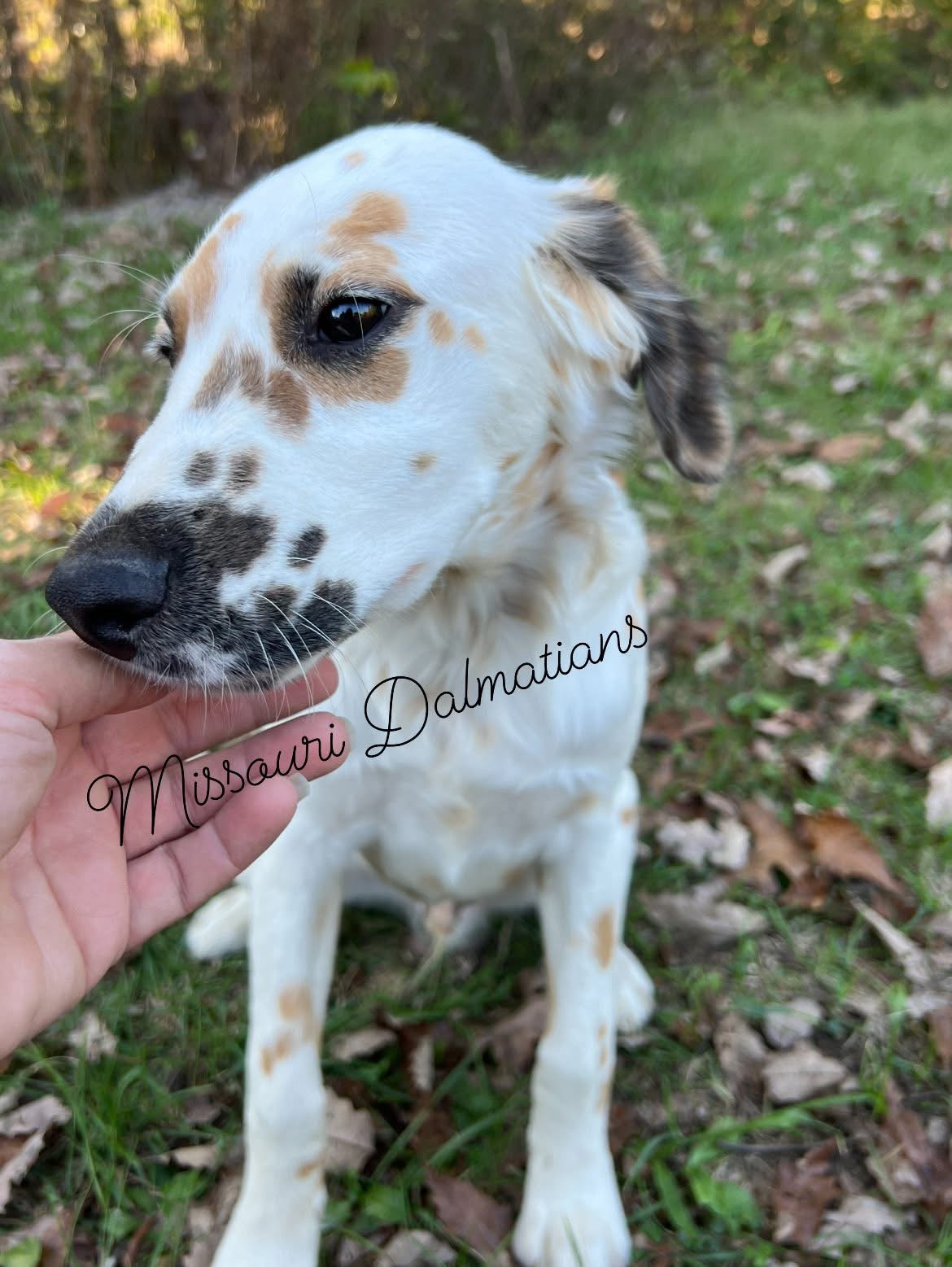
Sable Dalmatian
A Look Back: These Colors Have Always Existed
What’s especially significant is that these off-standard colors are not new. Tri-colored, lemon, orange, and sable Dalmatians were present in the original dogs that make up the original stud book of the breed–in fact, the very first registered Dalmatian with AKC was a tri-color! They are simply recessive traits, meaning they rarely showed up when dogs were bred without modern knowledge of genetics.
Today, with the help of genetic testing, breeders can identify which dogs carry these recessive genes. By pairing carriers together, it’s possible to bring forward these unique colors in a predictable way.
It’s important to clarify:
- These dogs are 100% purebred Dalmatians.
- Their colors are not the result of crossing with other breeds.
- Even the outcross to the German Shorthaired Pointer (done decades ago to fix the High Uric Acid issue in Dalmatians) did not introduce these colors. They were always part of the Dalmatian’s genetic makeup.
Why Are These Colors Not in the Standard?
Breed standards were written to preserve a consistent look for the Dalmatian, which historically meant black or liver spots on a white coat. While tri-colored, lemon, orange, and sable Dalmatians are beautiful and healthy, they are considered off-standard by most kennel clubs.
Conclusion
The iconic spotted Dalmatian might look simple at first glance, but genetics shows us there’s far more variety behind the scenes. From the classic black and liver, to tri-color, lemon, orange, and sable, the science of coat color makes each Dalmatian unique.
These rare colors are not a modern invention or a result of crossbreeding—they have always been part of the Dalmatian’s story. Whether your Dalmatian is standard or off-standard in color, one thing remains true: the white coat is just the canvas—the spots are where the real story lies.
Our Philosophy at Missouri Dalmatians
Here at Missouri Dalmatians, we love these hidden gems and enjoy breeding them for their unique beauty. All of our breeding dogs are purebred, registered with the AKC, and carefully chosen for their health and temperament first.
While we do select for off-standard colors, it always comes after our focus on health, sound structure, and great temperaments. We are equally committed to maintaining genetic diversity and a low coefficient of inbreeding. These rare colors are part of what makes Dalmatians special, and we love them—we hope you do too!
